
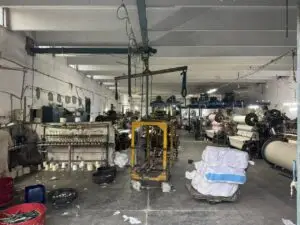
Maintaining linen quality is critical for commercial, hospitality, and healthcare settings. Proper Linen care and maintenance ensures that fabrics remain durable, hygienic, and visually appealing. Without careful handling, even high-quality textiles can wear prematurely, causing higher replacement costs and inconsistent performance.
This guide provides actionable strategies, best practices, and staff training recommendations to maximize linen lifespan, maintain professional presentation, and improve operational efficiency.
Why Linen Care Matters in Hospitality and Commercial Settings
Linen represents a significant investment for hotels, resorts, restaurants, and healthcare facilities. Improper washing, drying, or storage can lead to:
- Fiber damage and discoloration
- Stiff or rough textures
- Reduced softness and absorbency
- Premature wear and tear
In the hospitality industry, poorly maintained linens affect guest satisfaction. Sheets, towels, and table linens that are worn, discolored, or stained create a negative impression, which can impact brand reputation.
Proper linen care programs not only extend fabric life but also reduce operational costs, improve hygiene standards, and support sustainable practices.
Essential Linen Care Practices
1. Follow Manufacturer Washing Guidelines
Washing linens at the correct temperature preserves fiber integrity and color.
- Hot water can weaken fibers and cause shrinkage.
- Cold water may fail to remove stains, oils, or bacteria.
- Use gentle or specialty detergents suitable for delicate fabrics.
For commercial operations, programmable commercial washers allow precise control over water temperature, detergent use, and washing cycles, optimizing both cleanliness and fabric longevity.
2. Avoid Harsh Chemicals
Chlorine bleach and strong chemicals can degrade fabrics, causing thinning, fading, and reduced softness. Regular exposure accelerates linen wear and increases replacement frequency.
Best practices include:
- Using oxygen-based or enzymatic cleaners for routine washes
- Limiting bleach usage to stain removal only
- Measuring detergent accurately to prevent residue buildup
Chemical-conscious laundry practices improve linen durability, protect colors, and align with sustainability initiatives.
3. Prevent Overloading Washing Machines
Overcrowded washing machines prevent thorough cleaning and increase mechanical stress on fabrics.
- Follow machine load capacity guidelines
- Separate linens by fabric type and color
- Avoid compressing fabrics to minimize friction damage
Proper machine use ensures softness, durability, and optimal cleanliness, particularly in high-volume hotel or commercial laundry operations.
Effective Drying Techniques for Linen
Drying methods are crucial for maintaining linen texture, preventing shrinkage, and preserving softness.
Controlled Drying Temperatures
- Use moderate heat for tumble drying
- Avoid over-drying, which can make linens brittle
- Air dry delicate fabrics when possible
Proper Folding and Storage
- Store linens in dry, ventilated areas
- Fold or roll to prevent creases and friction damage
- Organize by size and type for efficient inventory management
Staff Training and End-User Education
Proper linen care requires more than guidelines—it requires trained personnel.
- Staff should understand washing, drying, and storage protocols
- Visible care labels and instructions reduce misuse
- Standard Operating Procedures (SOPs) ensure consistency
Educated staff reduce linen damage, improve hygiene, and protect textile investments, ultimately supporting operational efficiency and guest satisfaction.
Benefits of Structured Linen Care Programs
Implementing a comprehensive linen care program provides measurable advantages:
- Extended Fabric Lifespan: Proper care protects fibers, color, and texture.
- Operational Cost Savings: Fewer replacements and reduced energy/water usage translate to financial efficiency.
- Consistent Quality and Appearance: Well-maintained linens enhance professional presentation and comfort.
- Hygiene and Safety Compliance: Correct washing and drying eliminate bacteria and maintain health standards.
- Sustainability and Eco-Friendly Practices: Reduced linen waste and responsible chemical use support environmentally conscious operations.
Implementing a Semantic Linen Management Strategy
To align with modern digital-first hospitality standards, integrate the following strategies:
- Inventory Tracking: Monitor linen usage, lifecycle, and replacement schedules
- Routine Inspection: Identify stains, damage, or wear early
- Performance Monitoring: Analyze wash cycles, drying methods, and chemical usage
- Staff Training: Educate teams on proper handling and maintenance
Combining these steps ensures linens retain their original appearance and performance, supporting both operational efficiency and guest satisfaction.
Conclusion
Effective linen care education is critical for businesses in hospitality, healthcare, and commercial sectors. Following manufacturer guidelines, avoiding harsh chemicals, controlling wash loads, and implementing proper drying and storage techniques significantly extend fabric life.
Investing in staff training and structured linen management programs reduces operational costs, maintains high-quality presentation, and ensures hygienic and sustainable laundry practices. Well-maintained linens deliver consistent comfort, professional aesthetics, and long-term ROI, making proper linen care a strategic priority for every organization.